 calledges.com
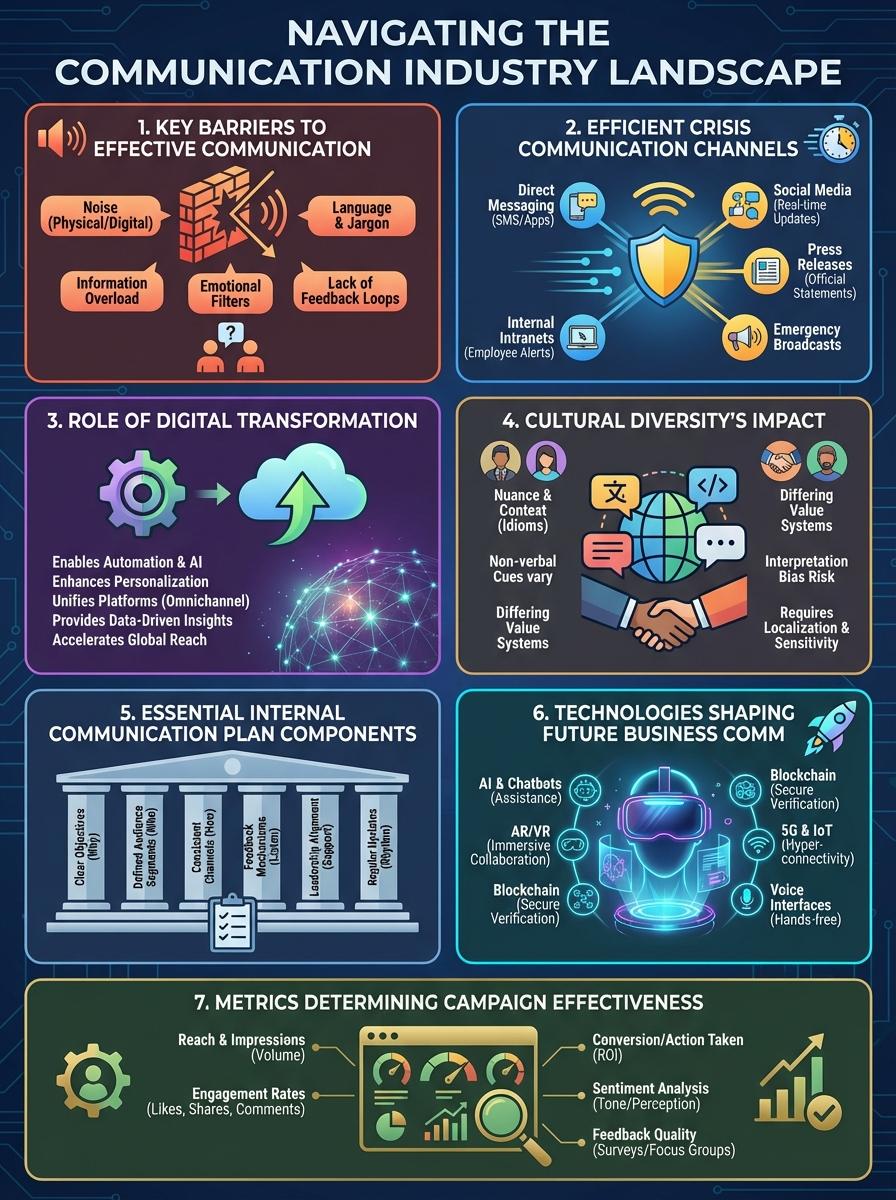
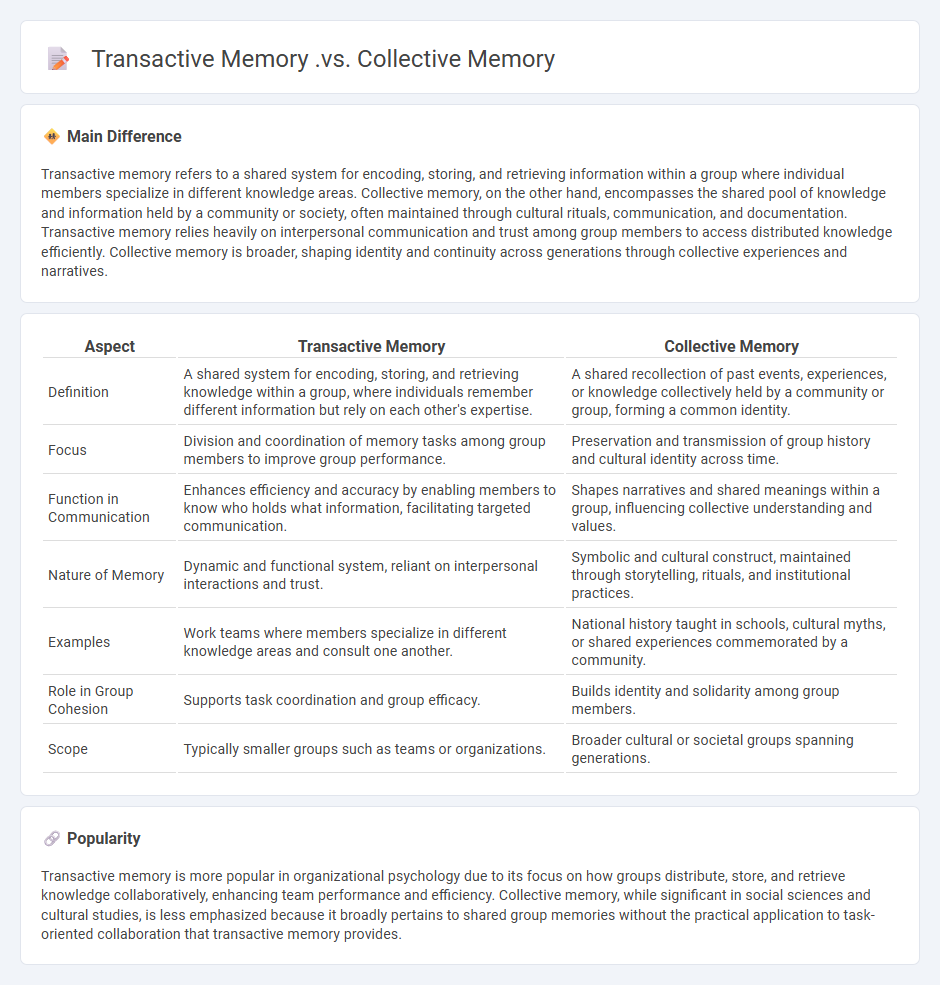
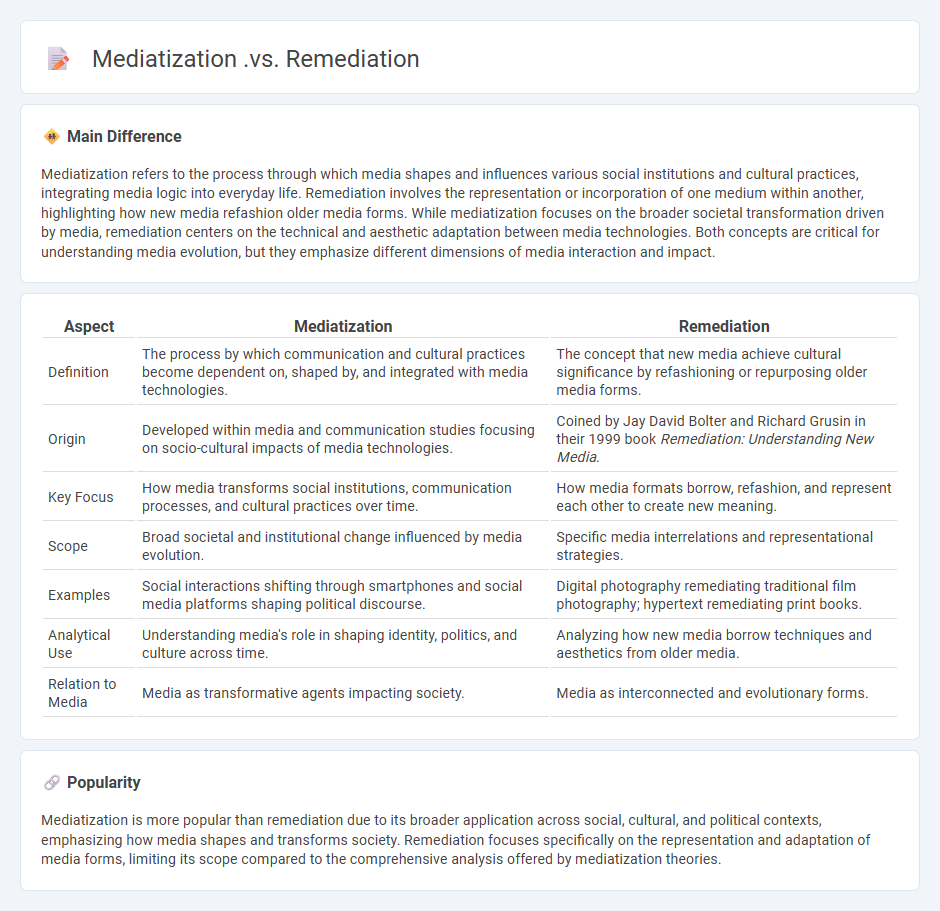
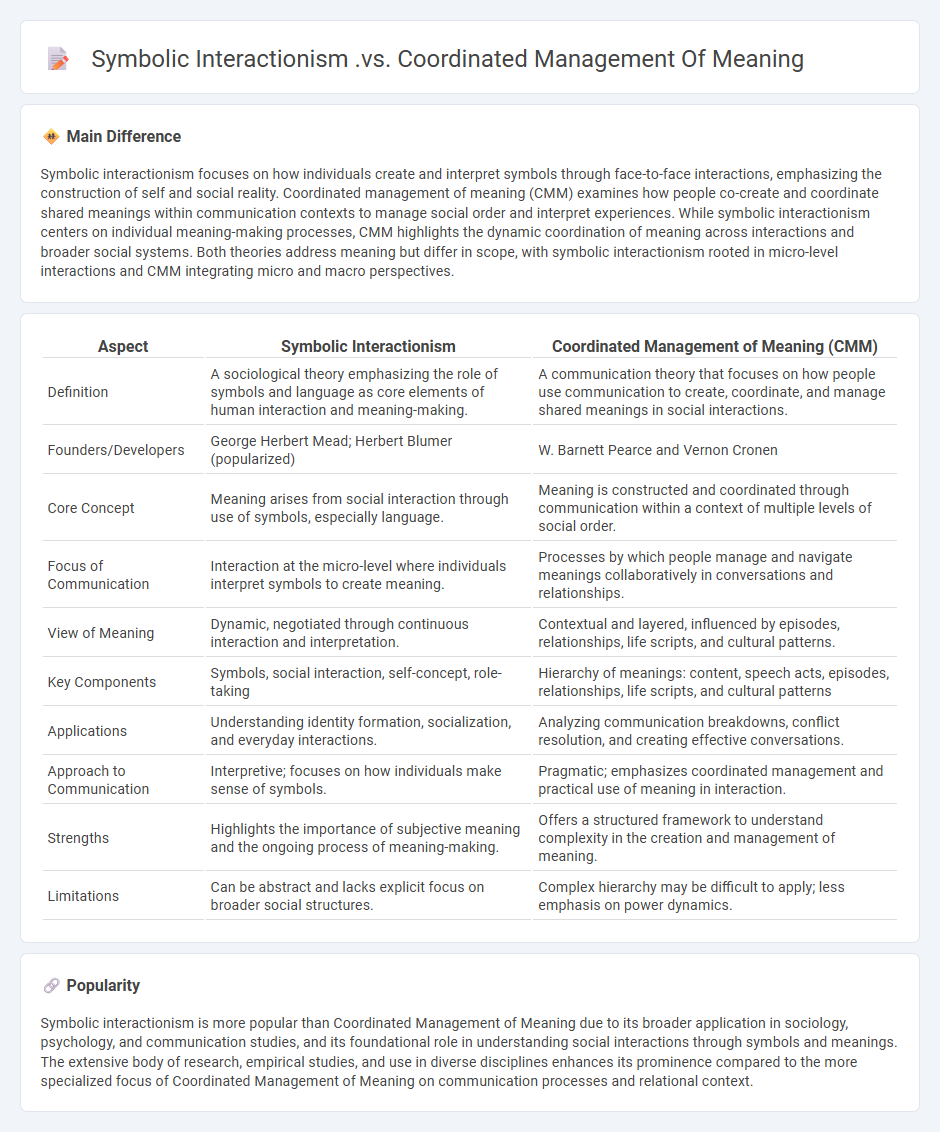
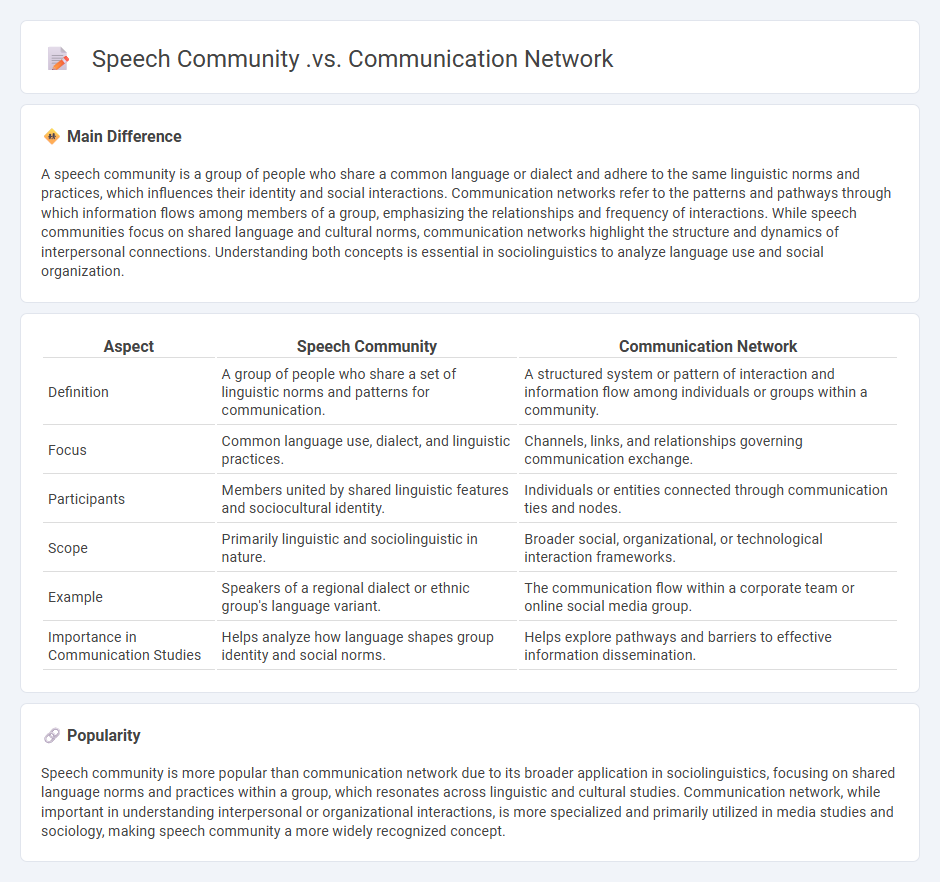
Illustration: Communication's Essential Infographic
Key Barriers to Effective Communication
The primary barriers to effective communication include language differences, cultural misunderstandings, and technological disruptions. Emotional biases and lack of clarity often lead to misinterpretations that hinder message delivery. Overcoming these barriers is essential for ensuring that communication is accurate and impactful.
Efficient Channels for Crisis Communication
Digital platforms like social media, instant messaging apps, and email are the most efficient channels for crisis communication. These channels provide real-time updates and wide reach, allowing organizations to respond rapidly. Utilizing multiple channels ensures that critical information reaches diverse audiences effectively.
Role of Digital Transformation in Communication Strategies
Digital transformation revolutionizes communication by integrating advanced technologies such as AI, cloud computing, and data analytics. It enables more personalized, timely, and data-driven messaging for better engagement. Organizations adopting digital tools can enhance responsiveness and optimize communication workflows.
Cultural Diversity's Impact on Messaging and Interpretation
Cultural diversity significantly influences how messages are crafted and received across different groups. Understanding cultural nuances ensures messages are respectful, relevant, and clear to varied audiences. Failure to address diversity can lead to misinterpretations and reduced communication effectiveness.
Essential Components of a Successful Internal Communication Plan
Key components include clear objectives, consistent messaging, and employee engagement strategies. A successful internal plan also relies on feedback mechanisms to ensure messages resonate with all organizational levels. Transparency and adaptability are crucial for fostering trust and collaboration.
Technologies Shaping the Future of Business Communication
Emerging technologies such as AI-driven chatbots, virtual reality, and collaboration platforms are transforming business communication. These innovations streamline workflows and create immersive communication experiences. Staying updated with technology trends helps businesses maintain competitive communication advantages.
Metrics Determining Communication Campaign Effectiveness
Key metrics include engagement rates, message reach, conversion rates, and audience feedback. Analyzing these metrics helps assess how well the campaign met its objectives and identify areas for improvement. Data-driven insights enable continuous enhancement of communication strategies.