 calledges.com
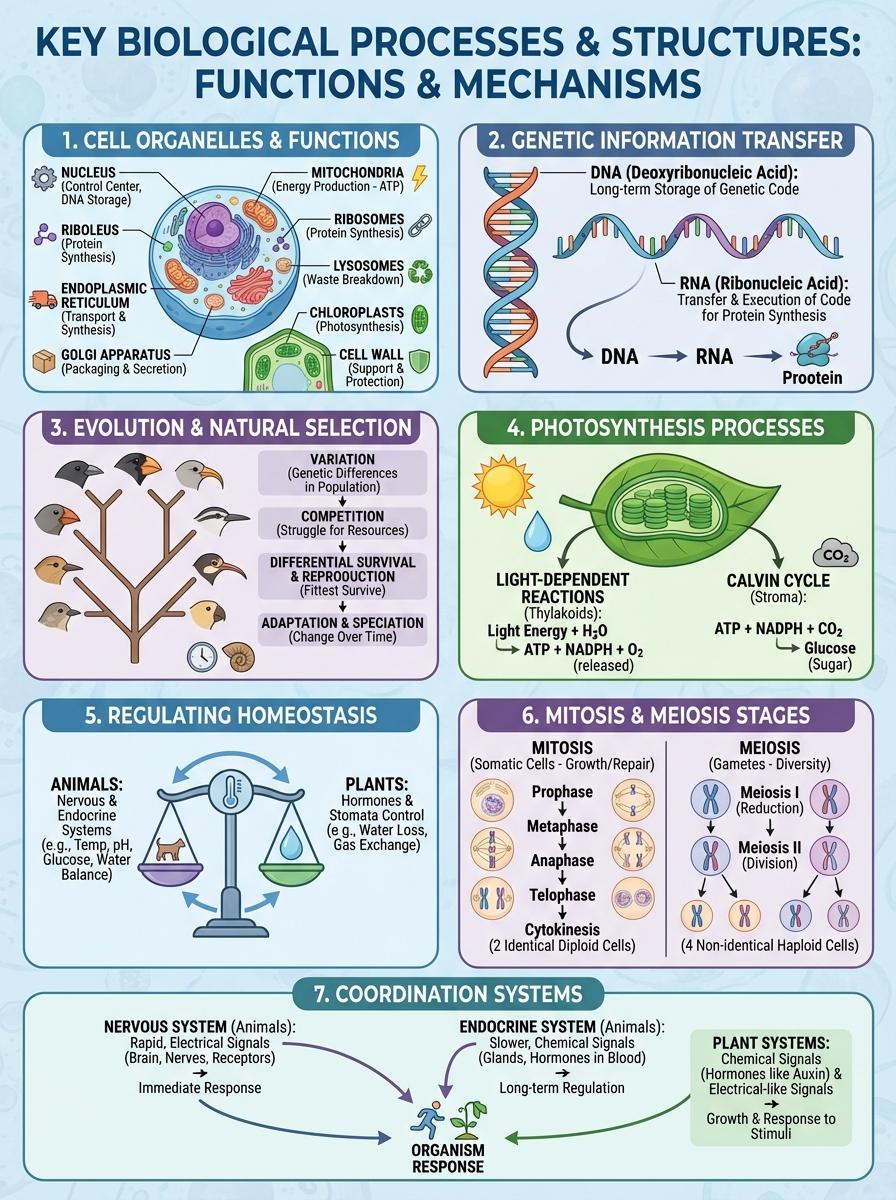
Illustration: Biology's Essential Infographic
Key Functions of Cell Organelles in Living Organisms
Cell organelles perform essential roles that sustain life in living organisms. The mitochondria generate energy through cellular respiration, powering various cellular activities. Organelles like the nucleus store genetic material and regulate gene expression to maintain cellular functions.
Biomolecules Essential for Genetic Information Transfer
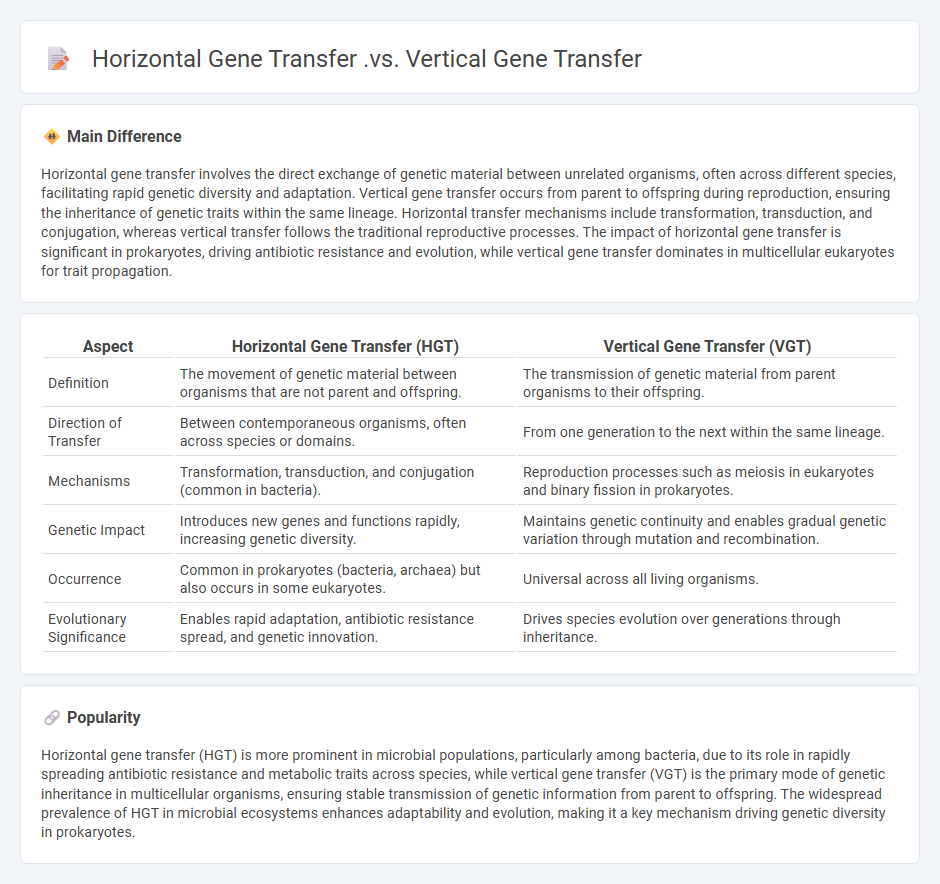
Nucleic acids, particularly DNA and RNA, are crucial biomolecules for transferring genetic information in all living organisms. DNA holds the hereditary blueprint, while RNA is involved in protein synthesis. These biomolecules ensure the accurate transmission of genetic traits across generations.
Mechanisms Driving Evolution and Natural Selection
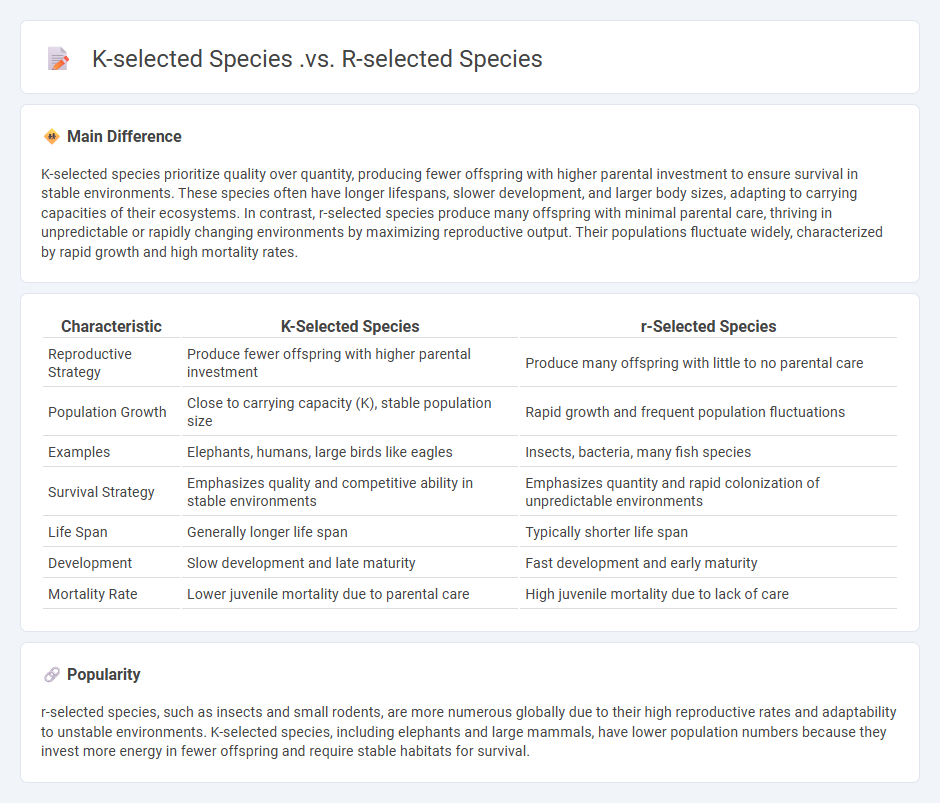
Genetic variation and environmental pressures drive the mechanisms of evolution and natural selection. Mutations and gene flow introduce diversity, while natural selection favors traits that improve survival. This process results in adaptative changes across populations over time.
Major Processes Involved in Photosynthesis
Photosynthesis involves the light-dependent reactions and the Calvin cycle to convert light energy into chemical energy. Chloroplasts capture sunlight to produce ATP and NADPH, which power the synthesis of glucose. This process sustains plant growth and oxygen production essential for life.
Factors Regulating Homeostasis in Animals and Plants
Homeostasis in animals and plants is regulated by mechanisms controlling temperature, pH, and water balance. Feedback systems involving hormones and nervous signals maintain internal stability. These regulatory processes ensure optimal functioning despite environmental changes.
Stages of Mitosis and Meiosis
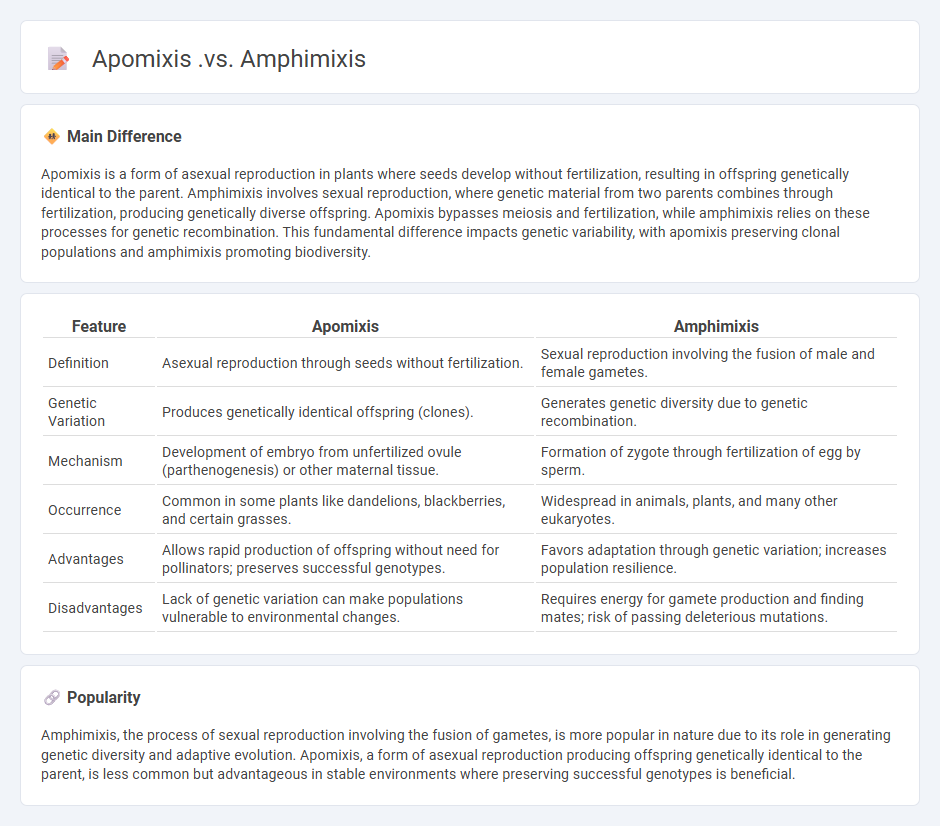
Mitosis and meiosis are cell division processes critical for growth and reproduction. Mitosis produces two identical daughter cells for tissue maintenance, while meiosis generates four genetically diverse gametes. Each process involves stages like prophase, metaphase, anaphase, and telophase.
Systems Coordinating Organism Responses to Internal and External Changes
The nervous and endocrine systems coordinate responses to internal and external stimuli in organisms. The nervous system processes sensory information for rapid responses, while the endocrine system releases hormones for longer-term regulation. Together, these systems maintain homeostasis and adaptive behavior.