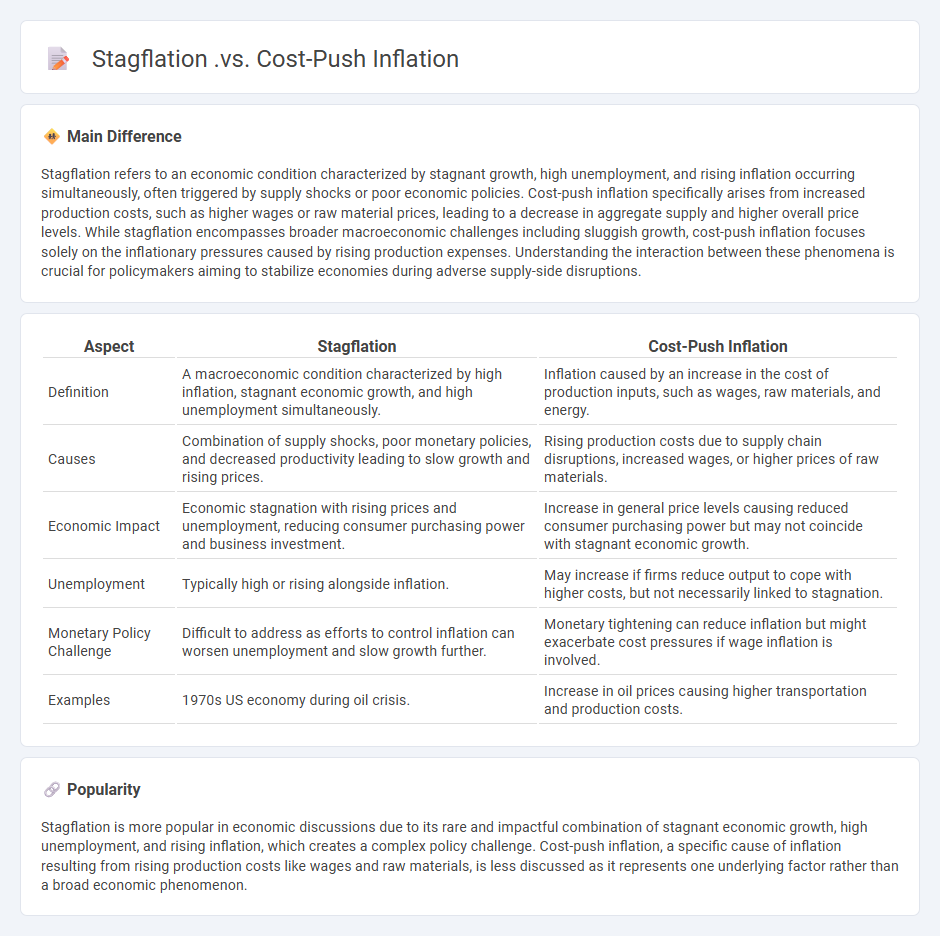
 calledges.com
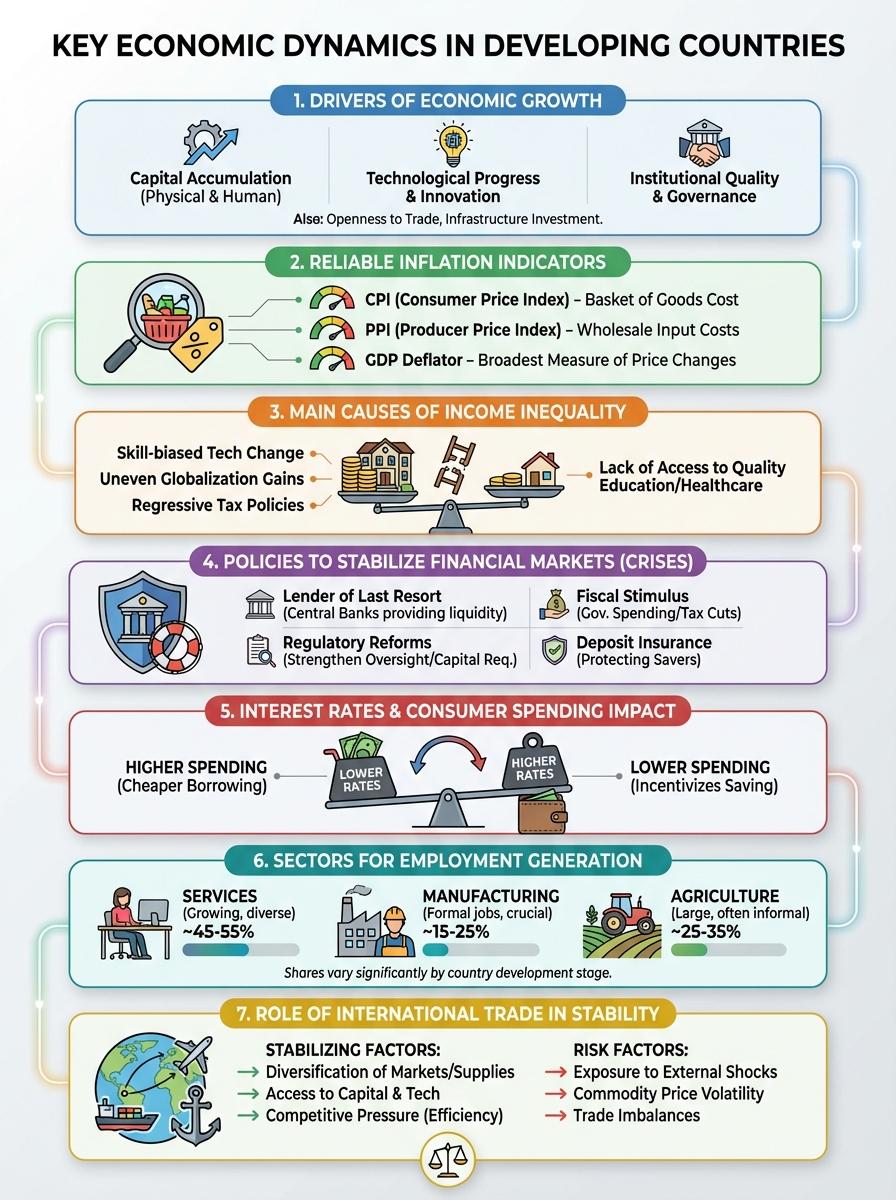
Illustration: Economics's Essential Infographic
Factors Driving Economic Growth in Developing Countries
Economic growth in developing countries is primarily driven by increased investment in infrastructure, education, and technology. Human capital development enhances productivity and innovation, fostering sustainable growth. Additionally, political stability and sound governance create an environment conducive to economic expansion.
Reliable Indicators for Measuring Inflation
The Consumer Price Index (CPI) is one of the most reliable indicators for measuring inflation as it reflects changes in the prices of a typical basket of goods and services. Producer Price Index (PPI) and GDP deflator also provide valuable insights into inflation trends. Accurate inflation measurement is critical for effective monetary policy decisions.
Main Causes of Income Inequality
Income inequality stems from factors such as unequal access to education, labor market disparities, and globalization effects. Technological advancements can disproportionately benefit skilled workers, widening the income gap. Additionally, tax policies and social welfare programs influence the extent of inequality in society.
Policies to Stabilize Financial Markets During Crises
Financial market stabilization during crises often involves monetary easing, such as lowering interest rates to boost liquidity. Government interventions, including fiscal stimulus and bailouts, help restore confidence and prevent systemic collapse. Regulatory reforms post-crisis aim to enhance market resilience and reduce future risks.
Impact of Interest Rates on Consumer Spending
Interest rates directly affect consumer spending by influencing borrowing costs for households. Lower rates encourage spending and investment, fueling economic growth, while higher rates tend to dampen consumption. Central banks use interest rate adjustments as a tool to manage economic cycles effectively.
Sectors Contributing Most to Employment Generation
The agriculture, manufacturing, and services sectors are significant contributors to employment generation, especially in developing economies. The services sector, including retail and hospitality, often provides the largest employment share in mature economies. Job creation in these sectors helps reduce unemployment and supports economic development.
Role of International Trade in Economic Stability
International trade plays a crucial role in a nation's economic stability by enabling access to larger markets and diversified resources. It facilitates technology transfer and promotes competition, enhancing productivity. However, trade policies must balance protectionism and openness to maintain sustainable economic growth.