 calledges.com
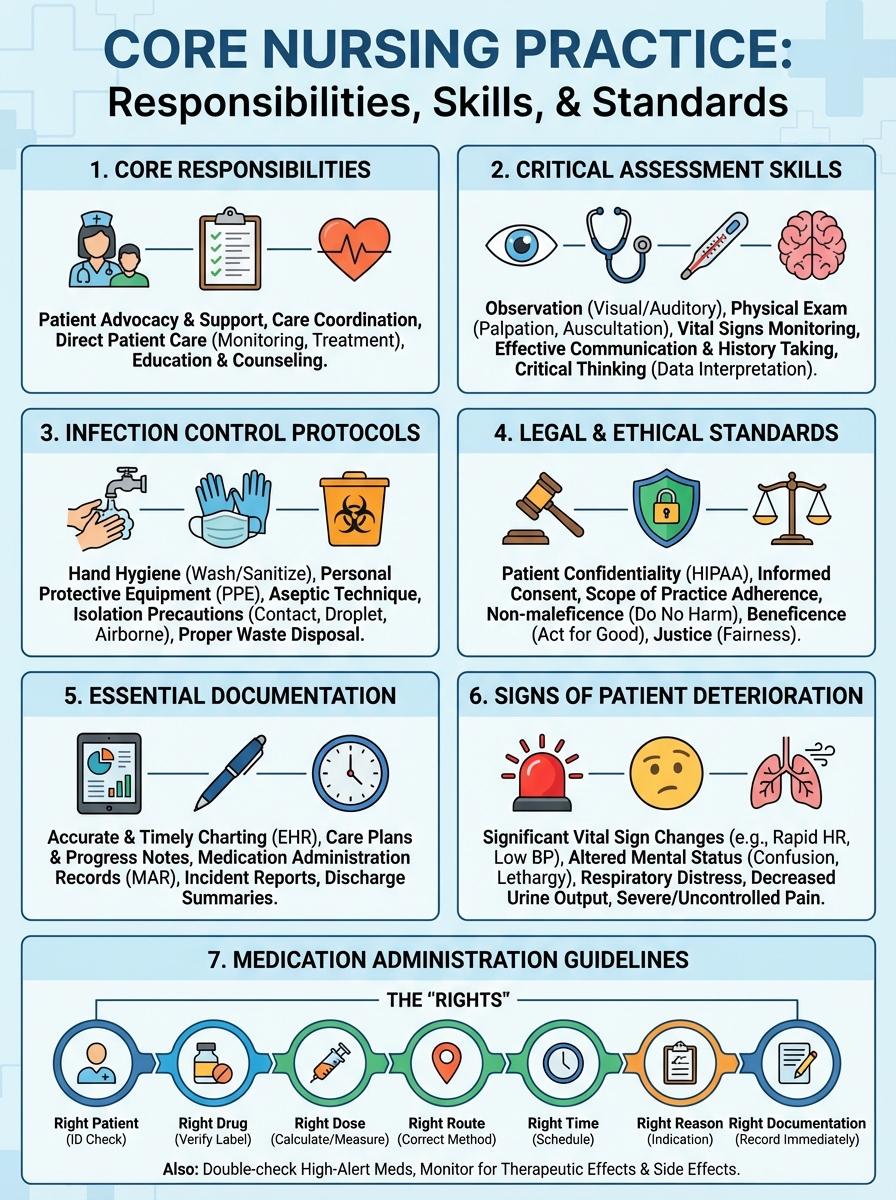
Illustration: Nursing's Essential Infographic
Core Responsibilities of a Registered Nurse
A registered nurse plays a vital role in delivering patient-centered care by assessing patient health, administering treatments, and supporting recovery. They act as a liaison between doctors, patients, and families to ensure coordinated and effective healthcare. Additionally, they educate patients about health management and preventive care to promote long-term well-being.
Critical Skills for Effective Patient Assessment
Effective patient assessment requires strong observational skills to detect changes in vital signs and patient condition promptly. Nurses must also possess critical thinking abilities to interpret clinical data and make informed decisions quickly. Communication skills are essential for gathering accurate patient histories and collaborating with the healthcare team.
Infection Control Protocols for Nurses
Nurses must strictly adhere to infection control protocols such as hand hygiene, use of personal protective equipment, and proper disposal of medical waste. Following these guidelines helps prevent the spread of healthcare-associated infections and ensures a safe environment for patients and staff. Regular training and compliance monitoring are essential to maintaining these standards.
Legal and Ethical Standards in Nursing Practice
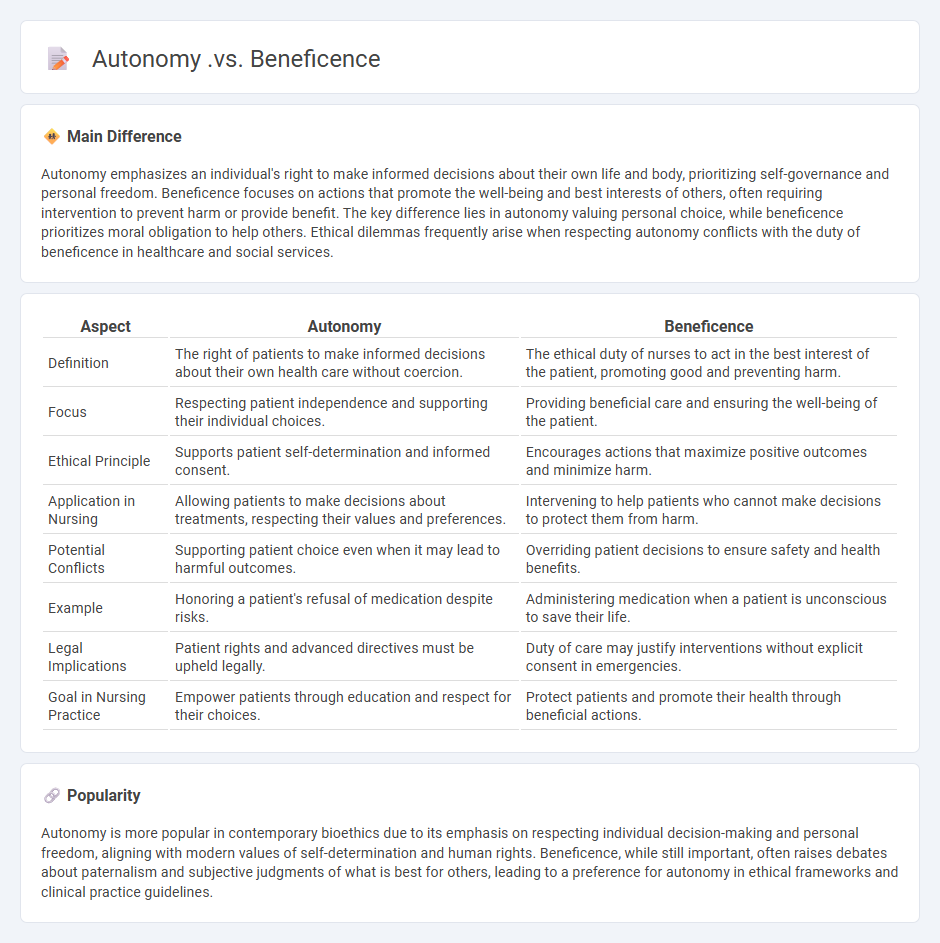
Nurses are governed by legal and ethical standards to protect patient rights and ensure professional integrity. This includes maintaining patient confidentiality, obtaining informed consent, and providing care without discrimination. Adherence to these standards fosters trust and accountability in nursing practice.
Essential Documentation for Patient Care
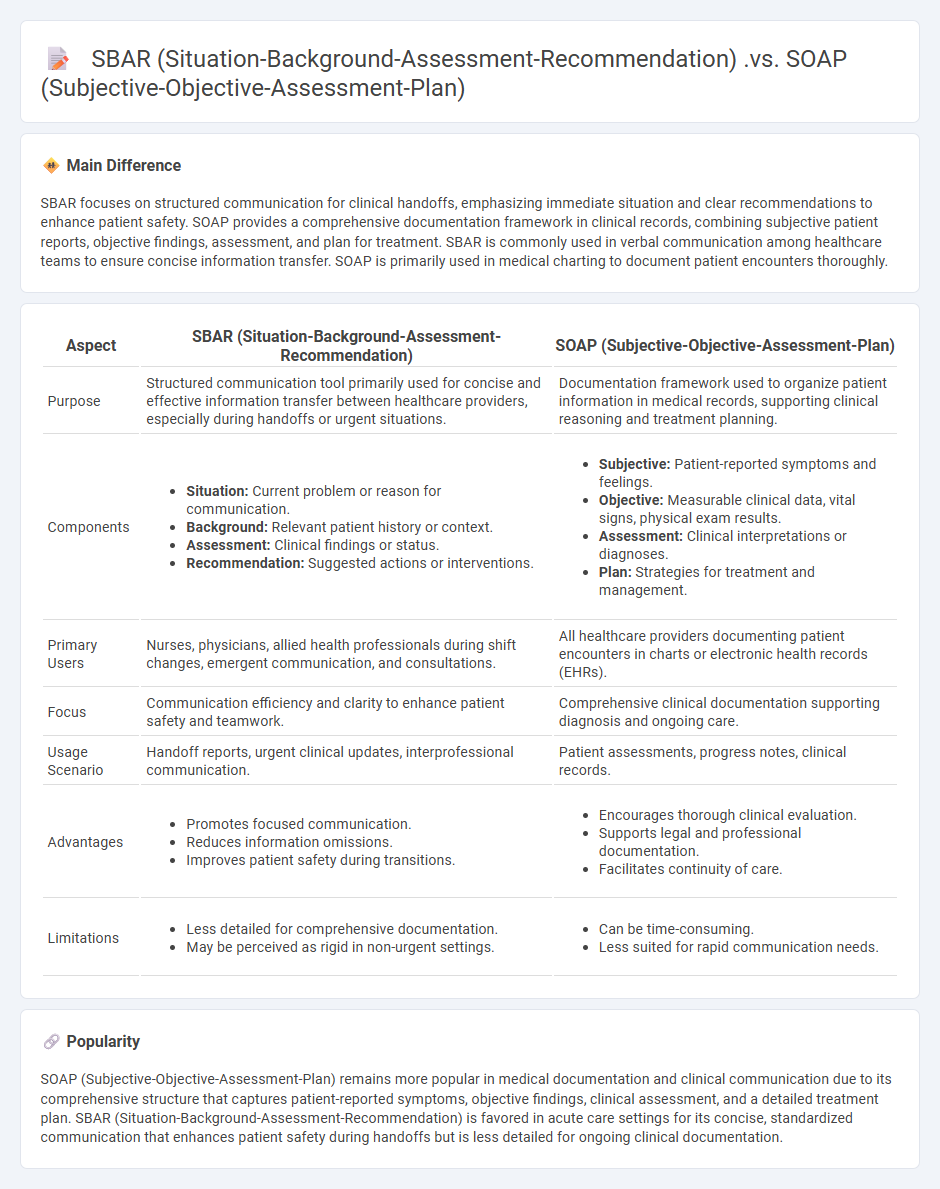
Accurate and comprehensive documentation is crucial for effective patient care, including recording vital signs, medication administration, and treatment plans. Documentation serves as a legal record and facilitates communication among healthcare providers. It also supports quality assurance and continuity of care.
Signs of Patient Deterioration to Monitor
Nurses must vigilantly monitor for signs of patient deterioration such as changes in consciousness, respiratory distress, and abnormal vital signs. Early detection allows prompt intervention to prevent complications or emergencies. Proper training in recognizing these signs is critical for patient safety.
Medication Administration Guidelines for Nurses
Proper medication administration requires nurses to follow the "five rights": right patient, right drug, right dose, right route, and right time. They must also assess for potential allergies and monitor for adverse reactions. Documentation of all medications given is essential to ensure safe and effective treatment.