 calledges.com
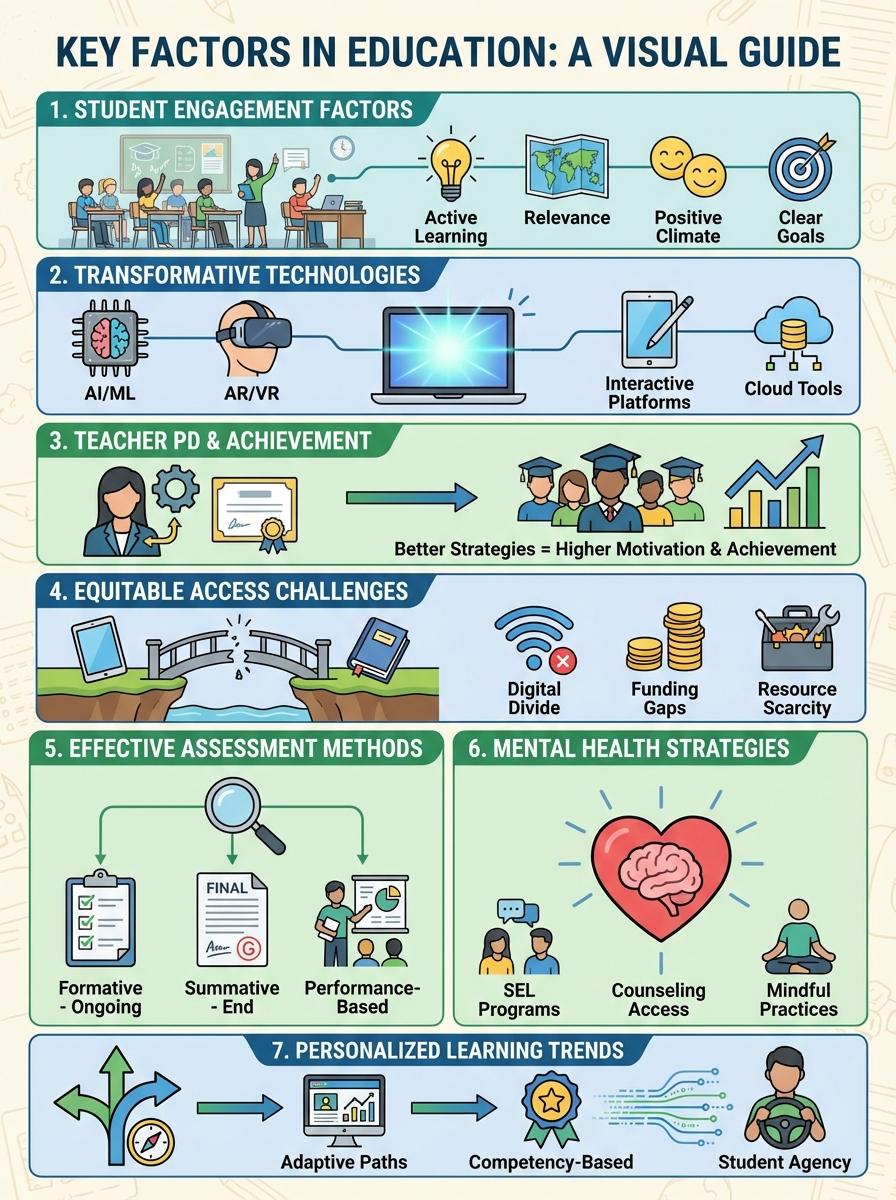
Illustration: Education's Essential Infographic
Key Factors Influencing Student Engagement in Classrooms
Student engagement in classrooms is primarily driven by interactive teaching methods that foster active participation. The use of relevant and relatable content enhances students' connection to the material. Additionally, a supportive classroom environment that encourages questions and collaboration significantly boosts engagement.
Technologies Transforming Modern Educational Practices
Digital tools such as virtual reality, artificial intelligence, and learning management systems are revolutionizing education. These technologies offer personalized learning paths and real-time feedback. They also enable easier access to diverse resources, supporting varied learning styles and needs.
The Role of Teacher Professional Development in Student Achievement
Continuous professional development equips teachers with up-to-date pedagogical skills and technological proficiency. Well-trained educators can deliver more effective instruction and adapt to diverse student needs. This directly correlates with improved student performance and overall achievement.
Challenges Affecting Equitable Access to Quality Education
Limited access to reliable internet and digital devices remains a significant barrier for many students. Socioeconomic disparities contribute to unequal educational opportunities. Additionally, language and cultural differences create further challenges in delivering inclusive education.
Assessment Methods That Effectively Measure Learning Outcomes
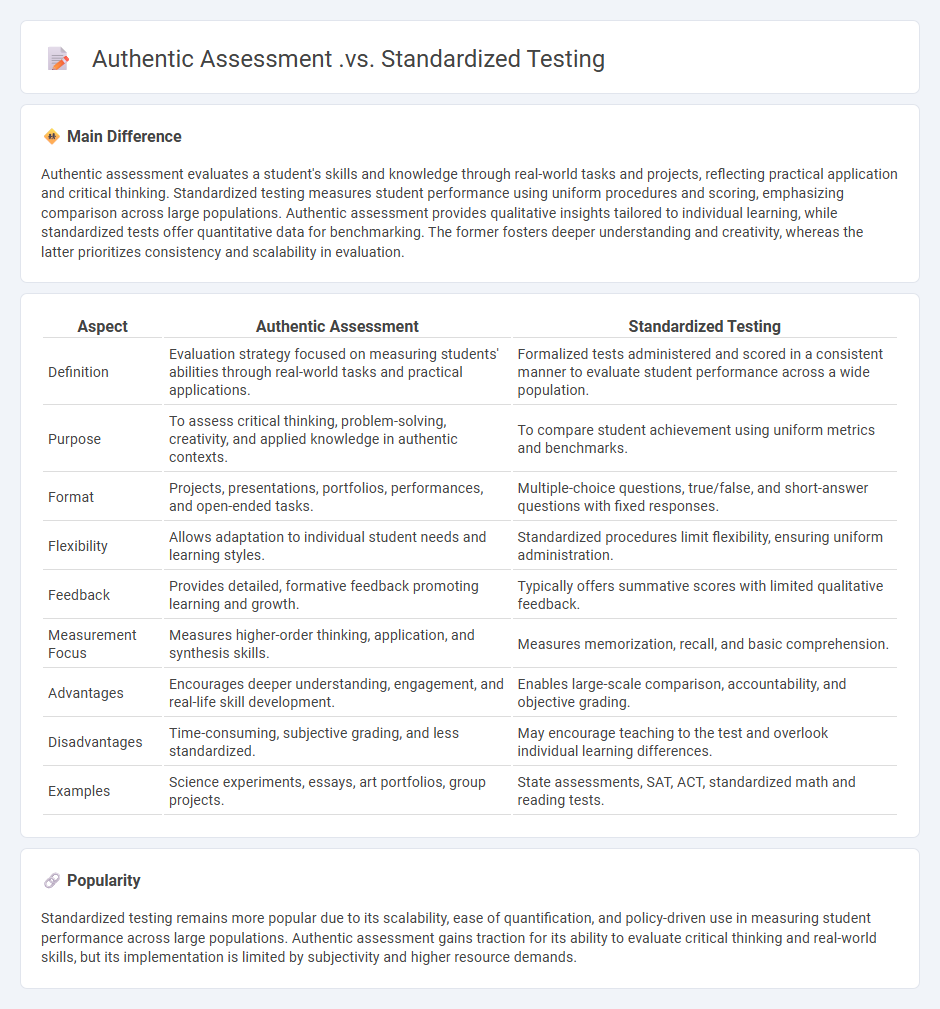
Formative assessments such as quizzes, peer reviews, and self-assessments provide ongoing insights into student progress. Summative assessments, including standardized tests and projects, evaluate cumulative knowledge. Combining both types offers a comprehensive understanding of learning outcomes.
Strategies Supporting the Mental Health and Well-being of Students
Implementing mindfulness programs and mental health workshops promotes emotional resilience among students. Providing access to counseling services encourages early intervention and support. Creating an inclusive and safe school culture further supports overall well-being.
Trends Defining Personalized Learning Experiences Today
Adaptive learning platforms powered by AI algorithms tailor content to individual student needs. Gamification and interactive media motivate learners through engaging experiences. Data analytics track progress, enabling educators to customize instruction effectively.